
Commentator Argues War on Iran Reflects Waning US Global Authority
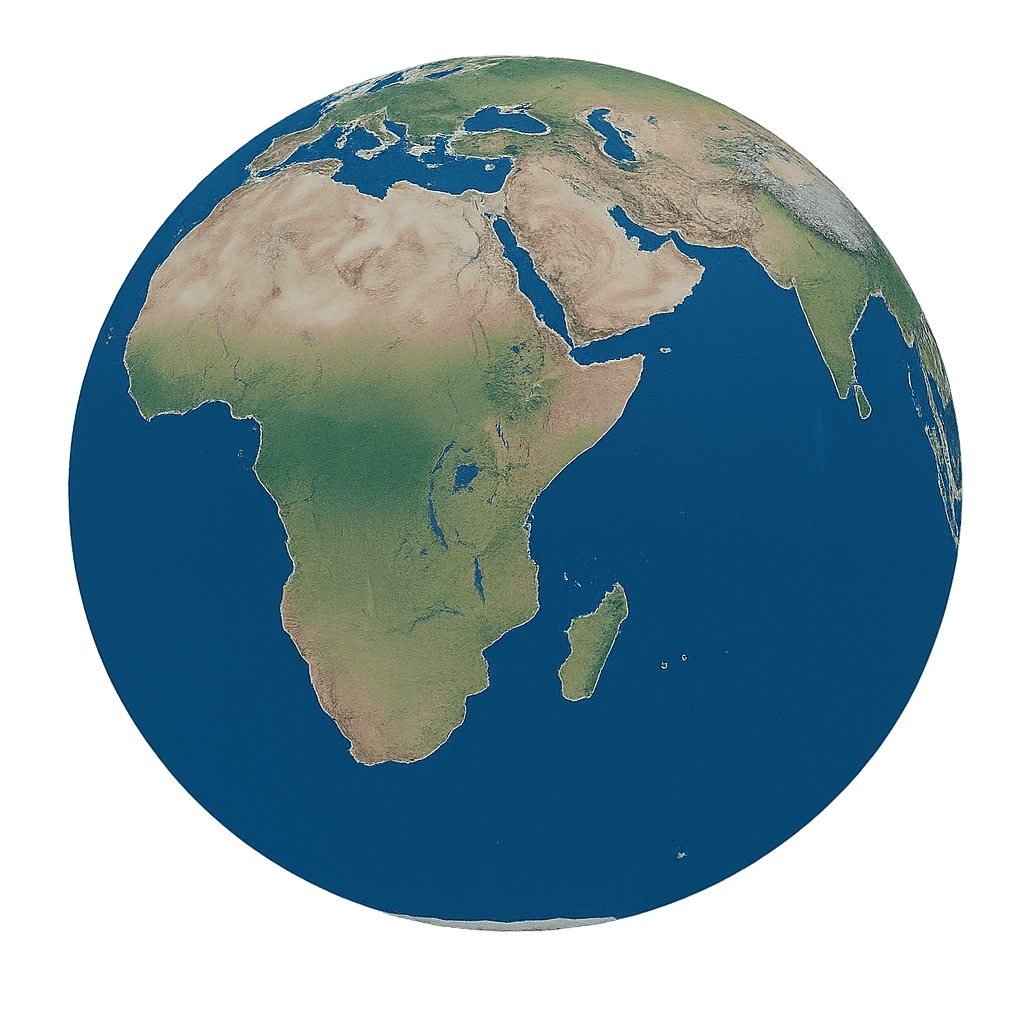
During a recent podcast discussion, Carlson analyzed remarks made by Donald Trump, who warned of severe military consequences for Iran while also calling on allied nations to step in and ensure the reopening of the Strait of Hormuz. This vital maritime route handles a substantial portion of global oil shipments, making it strategically critical.
Carlson interpreted the president’s appeal to allies as a sign of diminishing US capability to manage global crises independently. He noted that Washington’s NATO partners have shown hesitation in becoming directly involved following recent military actions targeting Iran.
Carlson argued that “the nation that forces the peace is the nation in charge,” adding that “the country that forces order on the Persian Gulf, that opens the Strait of Hormuz, is the nation that runs the world by definition.”
Reflecting on historical trends, he pointed out that since the end of World War II, the United States had been widely viewed as the dominant force capable of maintaining stability in key regions. However, he suggested that the current situation indicates a shift away from that role.
For decades since WWII, the nation capable of maintaining order was assumed to be the US, but the Hormuz crisis has shown it’s no longer the case, the journalist continued. “We can’t open the Straits of Hormuz,” Carlson said. “The President of the United States said that last night – someone else do it. So we’re done.”
He further argued that even a decisive military outcome would not necessarily resolve the situation. According to his assessment, fragmented groups or local actors could continue to threaten maritime security using relatively simple tactics such as mines, drones, or even implied threats, making long-term stability difficult to achieve without negotiations.
”What’s happening in Iran is the end of American empire as we understand it. And that’s sad. Empire’s dying. But it’s not the end of the United States,” he added.
While acknowledging that such a transition could involve hardship, Carlson suggested it might also create an opportunity for the United States to shift its focus closer to home. He emphasized the strategic and resource importance of the Western Hemisphere, arguing that future priorities could center on regional stability rather than extended involvement in distant conflicts.
Carlson acknowledged that the transition would bring “a lot of suffering and sadness,” but noted that it also carried the promise of a US that could turn its attention to the Western hemisphere, also rich in resources and vital for America’s stability, without the need to occupy “countries you’ve never been to.”
Legal Disclaimer:
EIN Presswire provides this news content "as is" without warranty of any kind. We do not accept any responsibility or liability for the accuracy, content, images, videos, licenses, completeness, legality, or reliability of the information contained in this article. If you have any complaints or copyright issues related to this article, kindly contact the author above.
